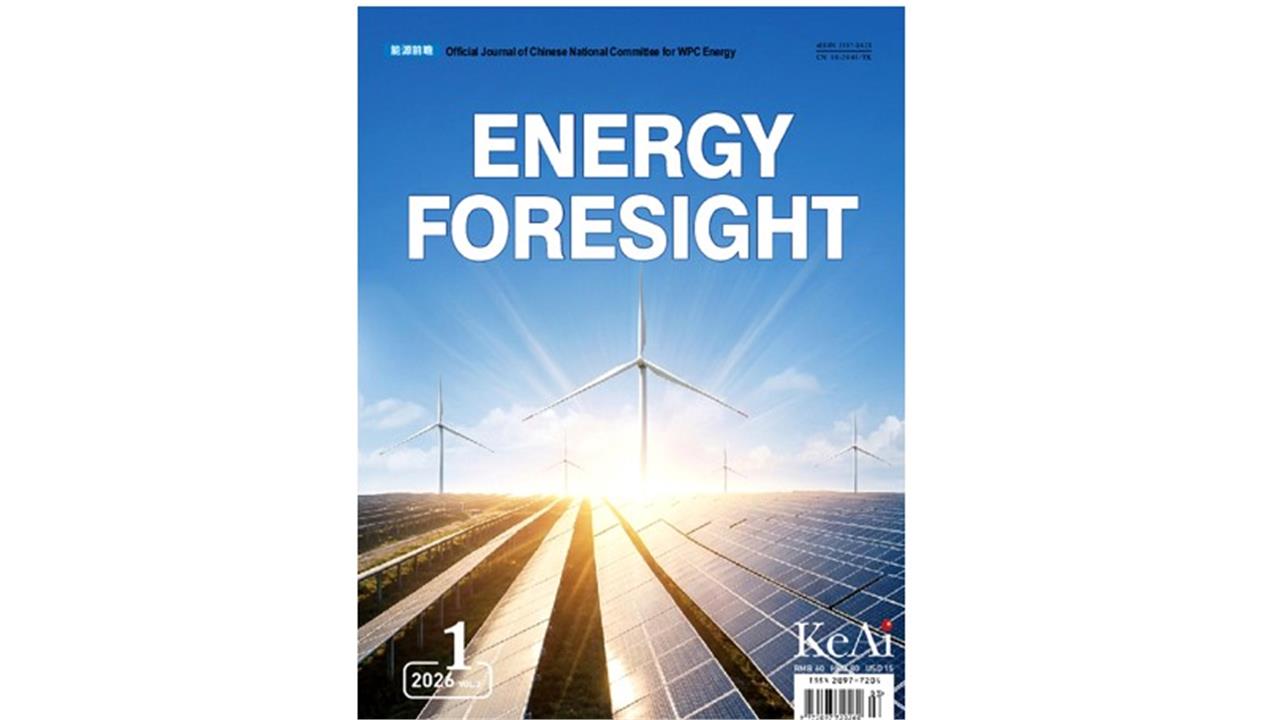
A recent IENE article, published in Energy Foresight, a Science Direct- Elsevier Journal, highlights the growing importance of natural gas in meeting the energy needs of SE Europe. According to the article, natural gas already accounts for approximately 25% of the region’s energy demand and is expected to play an even greater role in the coming decades. In addition, it examines developments across the Western Balkans, EU member states in SE Europe and Turkiye, emphasizing the strategic importance of energy diversification and regional cooperation.
Moreover, the article underlines major progress in gas exploration, infrastructure development, and LNG expansion throughout the region. Significant discoveries in the Eastern Mediterranean, including offshore fields in Israel, Cyprus, and Egypt, together with the expansion of LNG terminals and interconnection pipelines, are reshaping the regional energy landscape. Projects such as the Expanded South Corridor, new Floating Storage and Regasification Units (FSRUs), and additional pipeline links are expected to strengthen energy security, improve market integration, and reduce dependence on traditional supply routes.
Despite these positive developments, the article also points to several ongoing challenges, including regulatory barriers, geopolitical tensions, financing difficulties, and limited regional coordination. The authors stress that SE Europe remains at a critical stage where continued investment in infrastructure, exploration, and cross-border cooperation will be essential to ensure long-term energy security and sustainable economic growth. The article concludes that natural gas will continue to serve as a key transitional fuel for the region while supporting diversification and stability in European energy markets.
The article is available here.