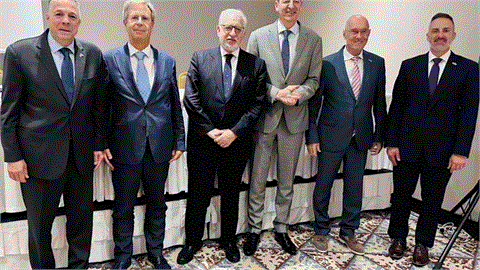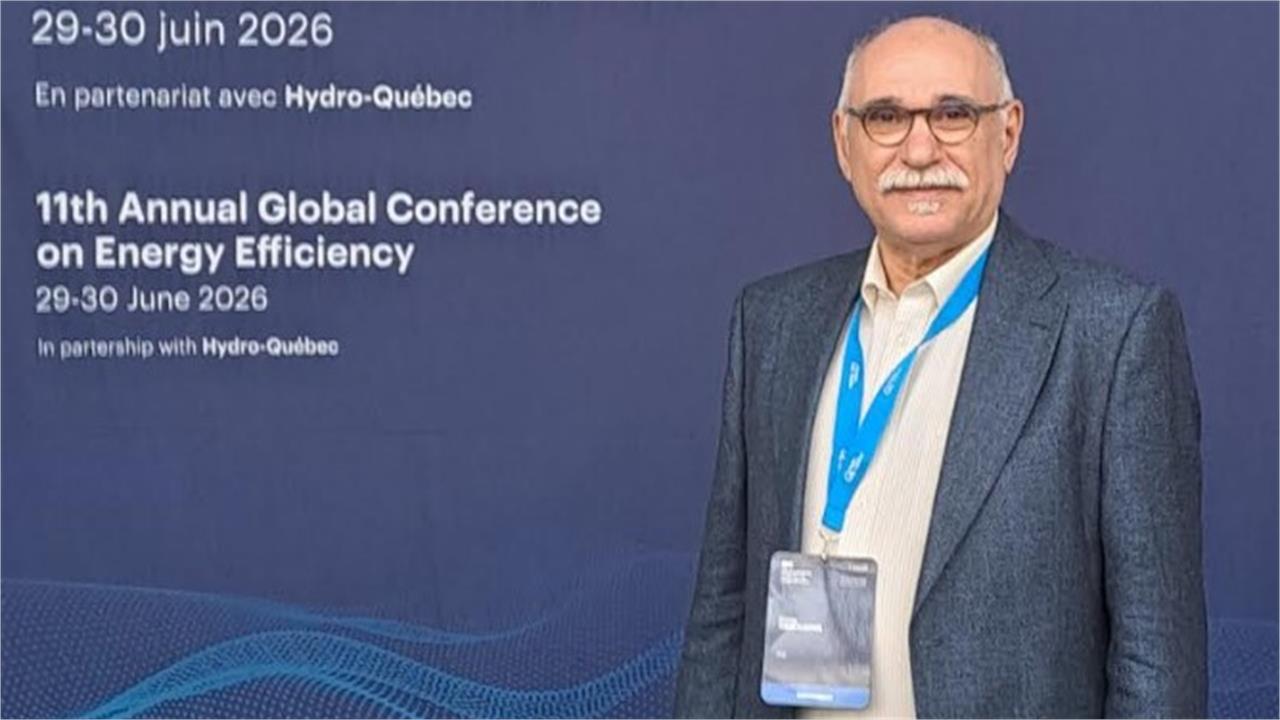
The 11th IEA Annual Global Conference on Energy Efficiency, held in Montreal, Canada, from 29-30th of June, brought together 600 participants, including 40 state officials and 70 CEOs from energy companies across all continents. On behalf of IENE, the Deputy Chairman, Mr Costas Theofylaktos participated in this event.
IEA Executive Director, Dr. Fatih Birol set the tone by framing the current global energy landscape against the backdrop of three major energy crises over the past 50 years (1973, 1979, and 2022). He emphasized that the ongoing crisis—stemming from the Iran-US conflict—is the most severe, with profound and lasting implications for energy systems worldwide. Birol highlighted that electrification is a central pillar of the future, asserting that the world is entering an "Electricity Age." He stressed that both energy security and economic resilience are intrinsically linked to energy efficiency (EE), which he described as fundamental to any sustainable strategy.
Policy Perspectives – European Commissioner Jorgensen
Energy Commissioner Jorgensen provided a European perspective, noting that the war in Iran has already added over €50 billion to energy costs in the EU. He underscored the human toll of climate change, citing deadly heatwaves in Western Europe, as evidence that climate change is no longer a distant threat but a present killer. While acknowledging energy security challenges, Jorgensen expressed confidence in the EU’s response: accelerating renewable energy deployment and placing energy efficiency at the core of EU policy frameworks. He reaffirmed the importance of the 2030 targets for EE, renewables, and emissions, viewing them as critical stepping stones for the post-2030 era.
Industry Insights: Key Statements from large energy efficient manufacturers, consultants, state officials
Energy companies, consultants, state officials presented actionable data and recommendations:
- Electric Motors in Industry: 45% of global electricity consumption is attributed to electric motors, with over 60% in industrial sectors. Simple measures, such as switching off motors when not in use, could yield 30–40% EE gains.
- Air Conditioning: Identified as the single largest consumer of electricity worldwide, pointing to an urgent need for efficiency standards and behavioral change.
- Transportation Electrification: Noted a stark contrast in rail electrification—only 1% in the USA, compared to over 60% in Switzerland and India—highlighting a major untapped opportunity.
- Consumption Behavior & Data Accessibility: Emphasis was placed on the need for consumer awareness and open access to energy data to drive informed decisions.
- SME Vulnerability: Small and medium-sized enterprises face disproportionate energy cost burdens due to high load intensities, requiring targeted support.
- Transparent Policies & Standards: All policies must be transparent and accompanied by robust norms and labelling schemes, as average consumers lack the expertise to choose efficient appliances.
- Innovation & Digitalization: Innovation was repeatedly cited as the key to overcoming challenges, with digitalization playing a critical role—from smart meters to AI-driven grid management.
The Role of Artificial Intelligence and Digitalization
AI emerged as a transformative tool for EE:
- AI relies on high-quality data, making smart meters essential infrastructure.
- It enables electricity providers to forecast demand peaks, manage the integration of electric vehicles, and optimize grid capacity utilization.
- Digitalization, therefore, is not optional but a prerequisite for modern, efficient energy systems.
Financing and Implementation Challenges of EE
The session underscored that energy transition is not merely a technical challenge but a socio-economic one: it must ultimately meet people’s needs in an affordable manner.
Key financing concerns:
- A coordinated approach involving private, state, federal, and industrial funds is necessary to mitigate risks, ensuring that the net present value (NPV) of projects exceeds total EE costs.
- ESCOs (Energy Service Companies) face barriers in accessing bank loans, as financial institutions are hesitant due to the long payback periods and fluctuating energy prices that obscure returns on investment.
Conclusion and Call to Action
The Conference made it clear that there is no time for protracted problem-analysis; the focus must shift to rapid, scalable, and efficient solutions. The EU’s and other nations 2030 targets are vital not only for near-term gains but also for shaping a resilient post-2030 energy framework.
The final takeaways of the 11th World Congress on Energy Efficiency are:
- Energy efficiency is the bedrock of both security and economic competitiveness.
- Collaboration across sectors, transparent governance, and innovation—especially AI and digitalization—are indispensable.
- Financing mechanisms must evolve to de-risk EE projects and empower smaller actors like ESCOs.
The IEA Global Conference reaffirmed that the transition to a sustainable, efficient, and people-centered energy system is not a choice—it is an imperative.