The prospect of lasting peace in the Middle East has profound implications not only for regional stability but also for global energy markets. For decades, geopolitical tensions, conflicts, and security concerns have contributed to risk premiums in oil and gas prices, often creating uncertainty over supply routes and production levels. A more peaceful and cooperative regional environment could significantly alter these dynamics, potentially reshaping the balance between energy supply and demand on a global scale, as described in the latest IENE analysis, which is available here.
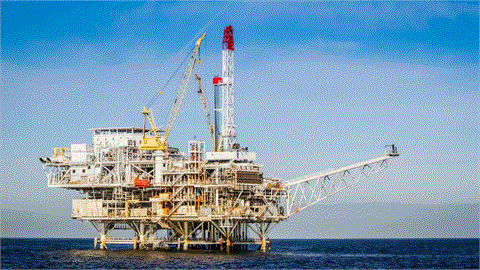
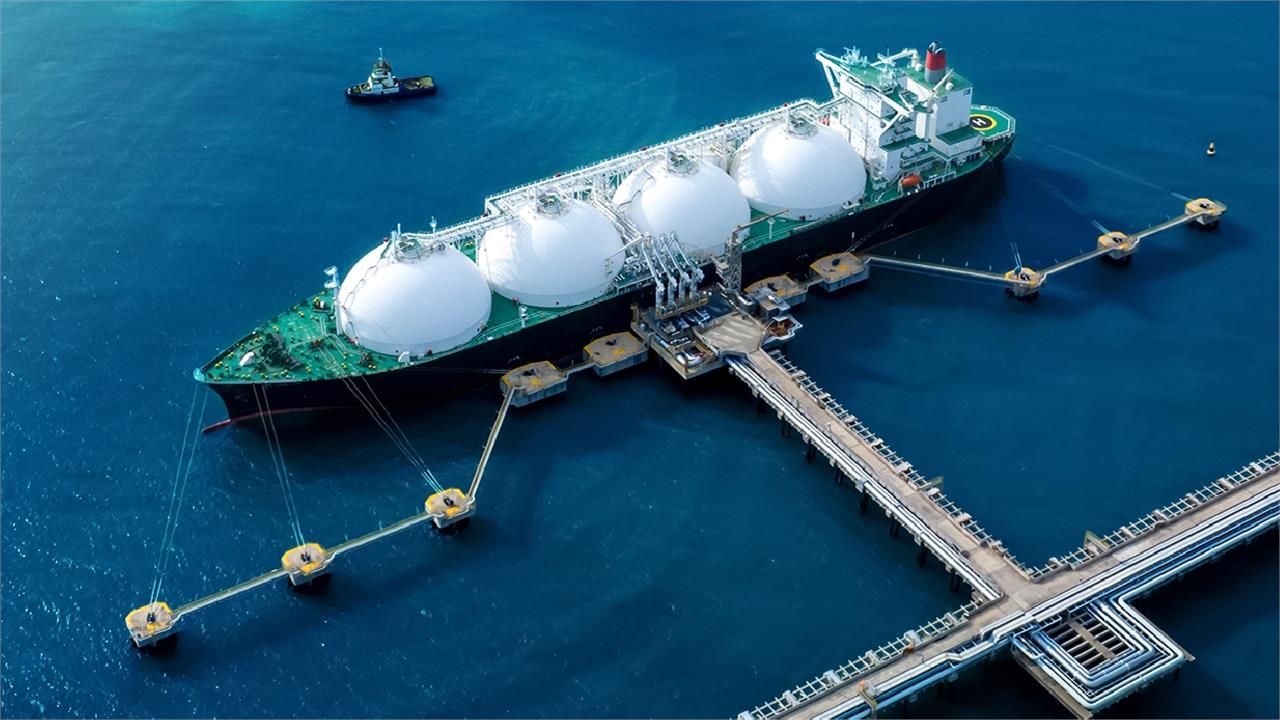
As major oil and gas producers, Middle Eastern countries hold a central position in international energy markets. Reduced political instability could encourage higher levels of investment, accelerate the development of new production capacity, and facilitate the export of hydrocarbons through safer and more efficient trade corridors. At the same time, several countries in the region are pursuing ambitious plans to expand their energy sectors, both to maximize revenues and to support economic diversification strategies. These developments raise important questions about whether global markets can absorb the additional supply.
Against this backdrop, concerns are emerging about the possibility of an oil and gas glut. If peace enables a substantial increase in production while global demand growth slows due to energy efficiency improvements, renewable energy deployment, and decarbonization policies, markets could face prolonged oversupply conditions. Such a scenario would have significant consequences for energy prices, producer revenues, investment decisions, and the broader transition toward a low-carbon economy. Understanding these potential outcomes is essential for policymakers, investors, and energy stakeholders worldwide.
Nevertheless, the emergence of a sustained oil and gas glut is not inevitable. Market outcomes will depend on a range of factors, including producer strategies, OPEC+ production policies, the speed of the global energy transition, and broader economic growth trends. Peace in the Middle East may remove a major source of uncertainty and unlock additional supply, but the ultimate balance between production and consumption will continue to be shaped by complex economic, technological, and geopolitical forces. The coming years will therefore determine whether greater stability leads to a prolonged period of oversupply or to a more balanced and resilient global energy market.