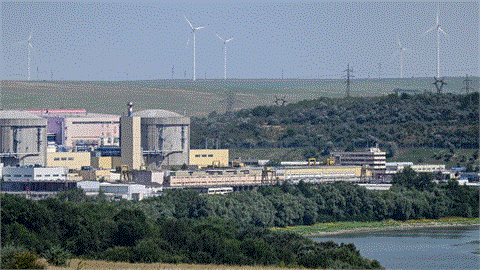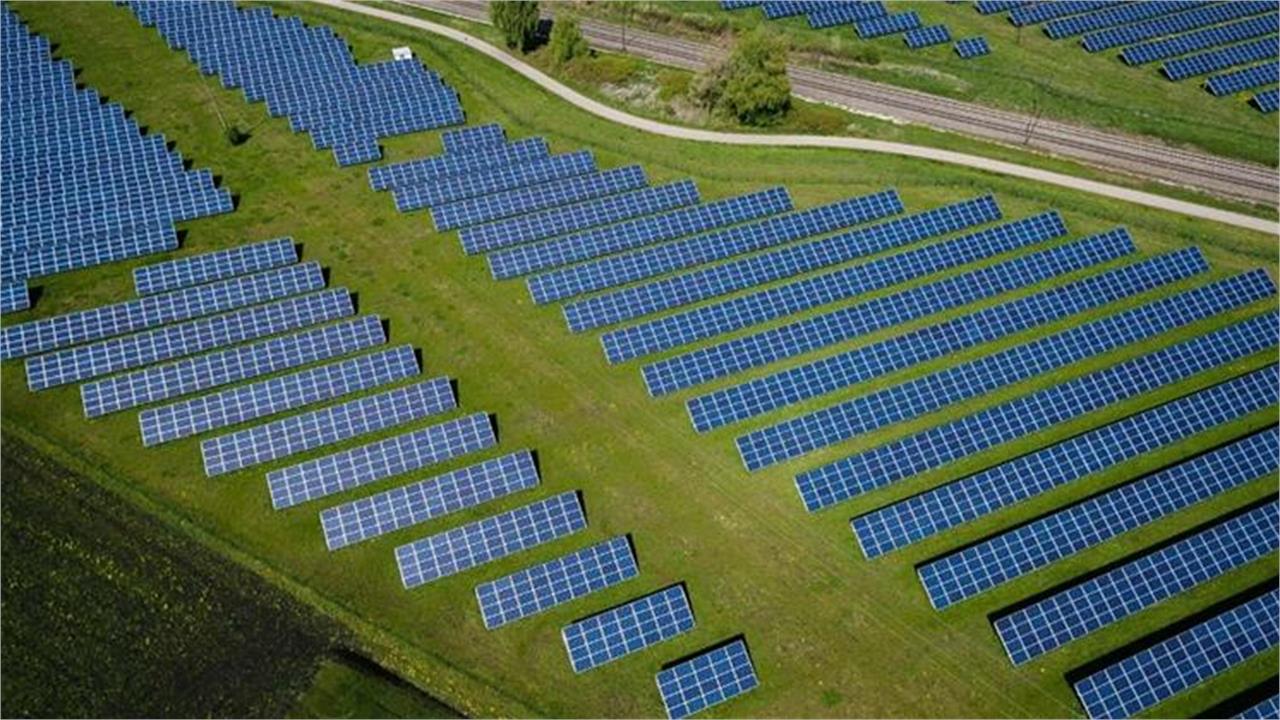
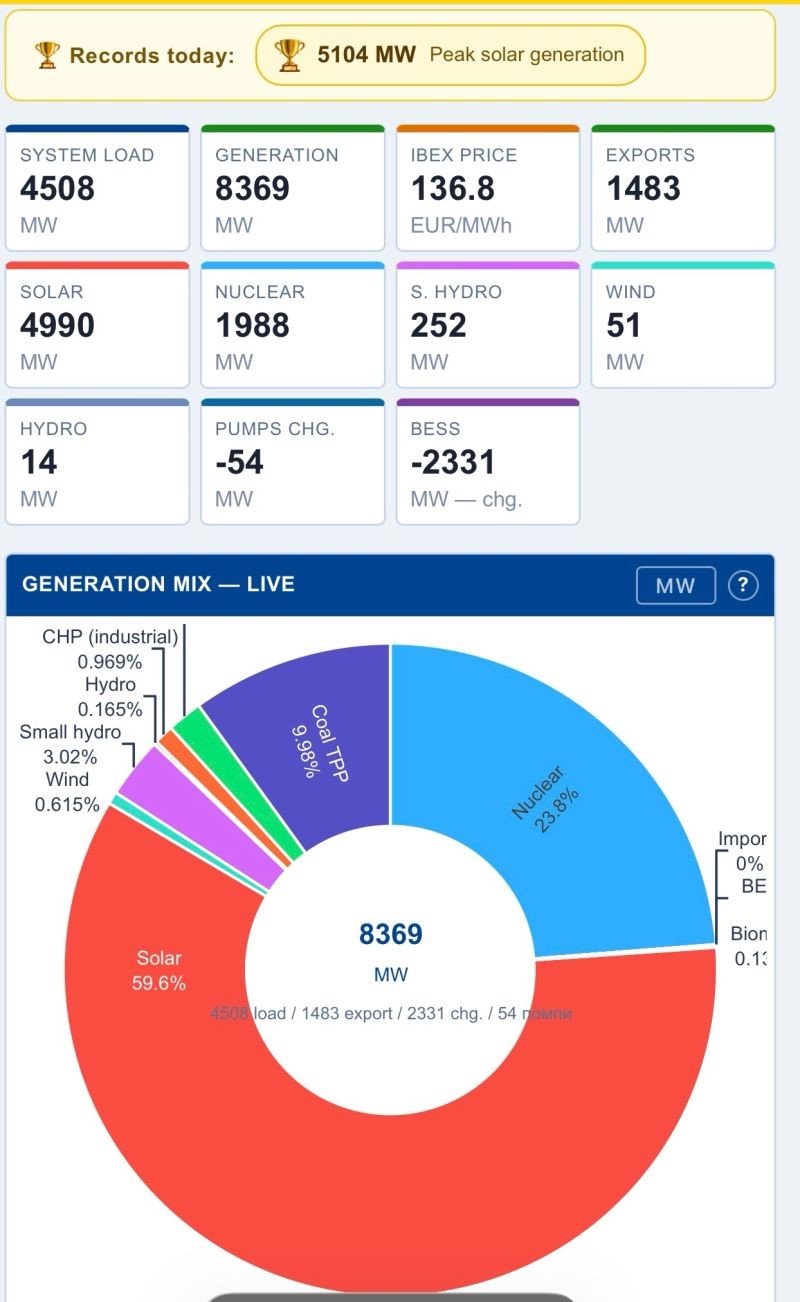
Midday solar generation in Bulgaria now occasionally exceeds 5,000 MW, while national electricity demand is often around 4,500 MW. This comes on top of two operating nuclear reactors, lignite generation and hydropower, bringing total electricity production to roughly 8,500 MW during peak hours. At the same time, batteries can charge at more than 2,300 MW, absorbing surplus solar generation that would otherwise be curtailed.
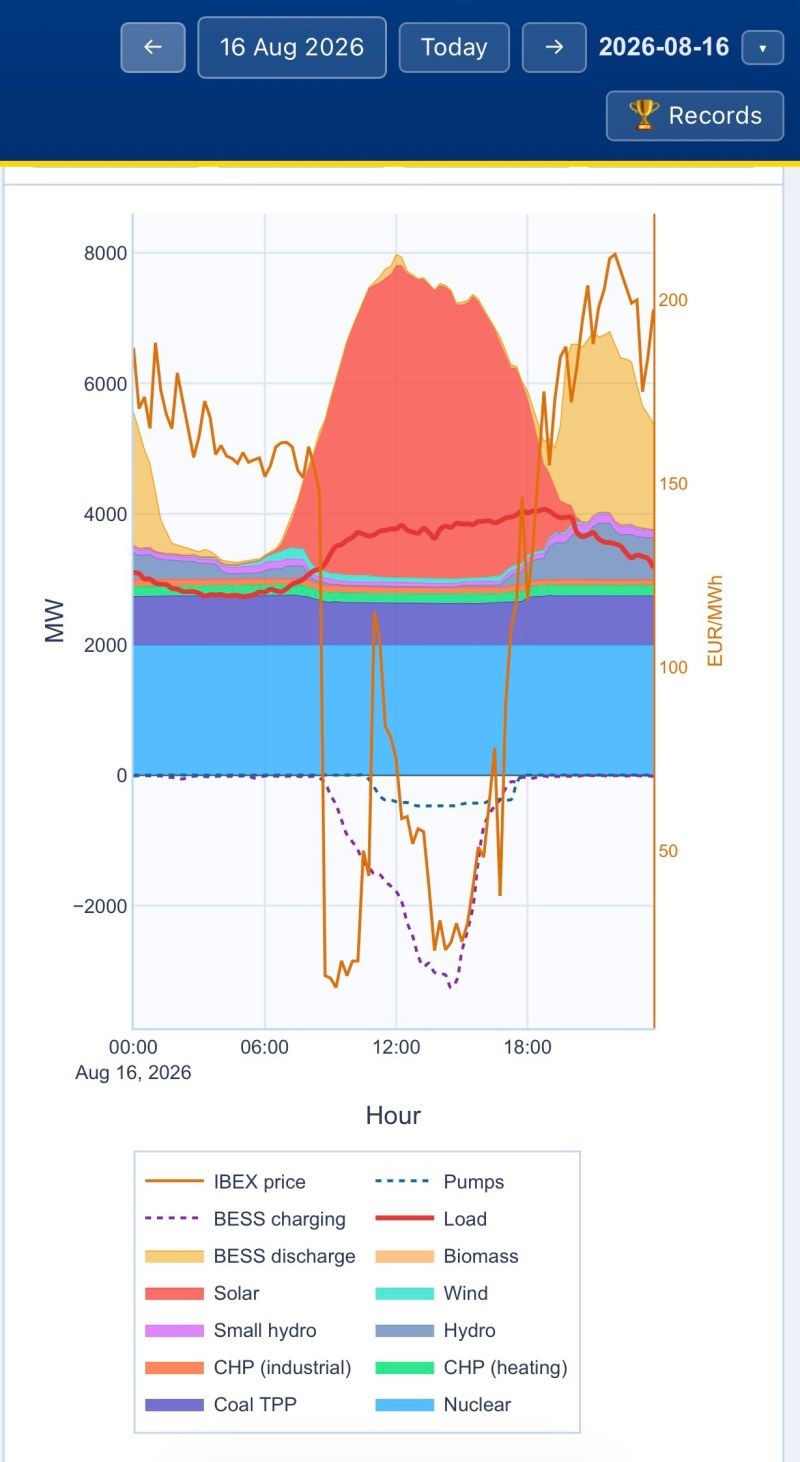
In the evening, battery discharge has at times approached or exceeded 3,000 MW, covering a substantial share of national demand. Large-scale solar and battery projects continue to be built, driven primarily by entrepreneurial ambition and market opportunities rather than public subsidies.
As part of the integrated European electricity market, Bulgaria - together with Greece - is playing an increasingly important role in stabilising power supply across South-East Europe at a time when heatwaves, drought and reduced nuclear and hydro output are putting conventional generation under severe pressure.
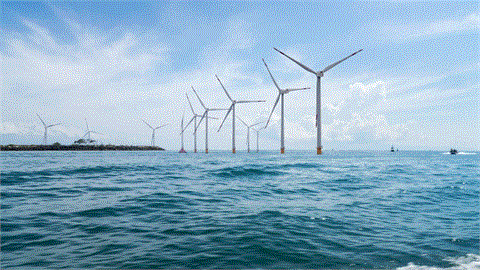
The experience of Bulgaria and Greece is becoming an unexpected summer energy success story. The two countries could be treated as an energy transition laboratory which offers valuable evidence of what works, what does not, and how quickly electricity systems can change when investment signals are aligned. Above all, it demonstrates that the speed of the energy transition matters: the faster new solar, wind and storage capacity is deployed, the greater the resilience of the electricity system during periods of stress.
(Βy Julian Popov, Minister of Environment Bulgaria, on linkedin.com)