The Middle East disruption has resulted in an estimated 30M tonnes of lost Qatari LNG exports since the war began, while a full recovery of the country’s export capacity is expected to take several years.
Independent consultant and LNG market specialist Pratiksha Negi shared this estimate with Riviera, based on Qatar’s LNG export performance in previous years.
Shipbroker Banchero Costa said in a recent report that Qatari LNG exports amounted to around 17M tonnes from January to July 2026, down around 65% compared with the same period last year.
Ms Negi said that Qatari LNG exports could restart relatively quickly once the Strait of Hormuz reopens and a concrete resolution is reached between Iran and the US.
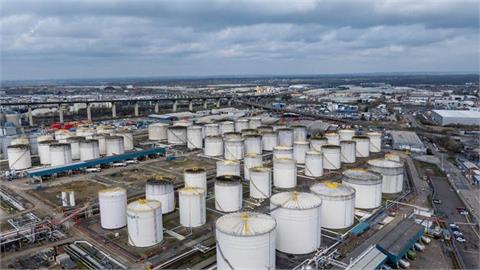
However, the normalisation of shipments will be gradual, given that two Ras Laffan liquefaction trains, with a combined capacity of 12.8M tonnes per annum (mtpa), remain damaged, removing around 17% of Qatar’s current LNG production capacity.
“Restoring this capacity could take several years, with some sources pointing even to four to five years,” Ms Negi said.
Furthermore, the North Field expansion is also facing delays, as the conflict has disrupted project activity.
“While the extent of the delay remains uncertain, Qatar’s new liquefaction capacity is unlikely to provide an immediate supply buffer,” the analyst explained.
According to Ms Negi’s estimates, if the Strait of Hormuz reopens in September, Qatar could export approximately 38-40M tonnes in 2026, factoring in the 30M tonnes of cumulative lost exports, the damaged Ras Laffan trains and the absence of additional new supply.
“While this would mark a significant recovery once shipping resumes, exports would remain below pre-conflict levels until the damaged trains are progressively restored,” she concluded.
According to a recent International Gas Union report, Qatar exported around 81.5M tonnes of LNG in 2025.
Notably, relations between Washington and Tehran remain strained, with no signs of substantive negotiations towards a lasting peace agreement at this point.
Flex LNG chief executive Marius Foss told the company’s Q2 earnings call that the expectation is for the Strait of Hormuz to remain closed throughout 2026.
During the same call, he added that the shortfall in Qatari LNG exports has, to a large extent, been offset by strong growth in US LNG exports.
(Riviera Maritime Media, August 21, 2026)