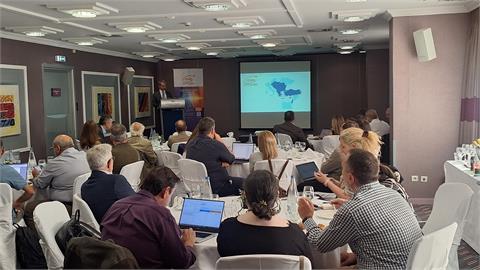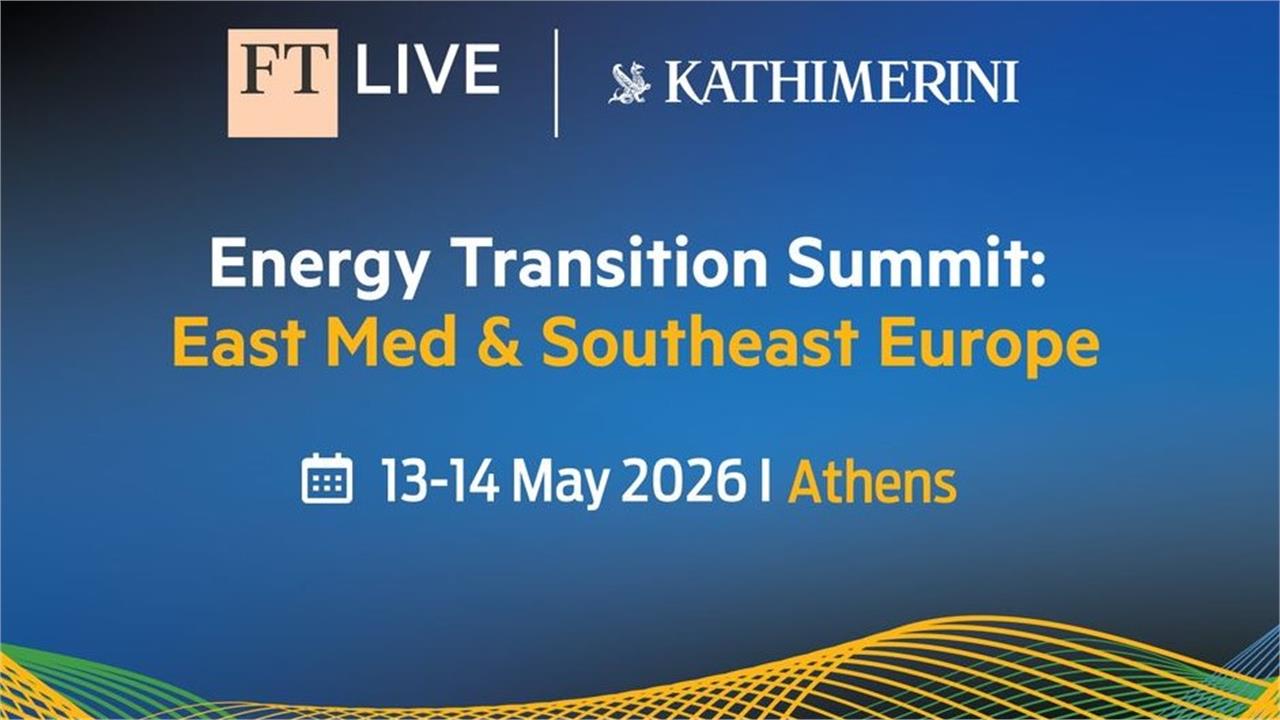
The importance of Critical Raw Materials( CRM’s) and their role in securing the clean energy value chain was discussed in a special panel as part of a two day Summit organised by the Financial Times and Kathimerini which was held in Athens on May 13/14. Participants in the panel included Dionysis Gkoutis, Director General,of the Hellenic Survey of Geology and Mineral Exploration ( HSGME), Costas Yazitzoglou, Chairman of the Greek Minining Enterprises Association( GMEA) and Costis Stambolis, Chairman and Executive Director of the IENE. Moderated by Kathimerini’s journalist Crysa Liangou the panel stressed that although CRM’s underpin every aspect of the clean-energy value chain from batteries to solar photovoltaic panels, their supply remains geopolitically exposed.
As both Dionysis Gkoutis and Costas Yazitsoglou pointed out Greece and the Balkan peninsula hold extensive but underdeveloped reserves, that if explored properly could support Europe’s diversification drive. However, current efforts to extract value in an environmental and socially responsible matter in various countries in the region are hampered by lack of knowledge and appreciation at local community level, although the development of CRM’s in SE Europe is fast becoming a strategic priority of several governments. The discussion evolved largely around the issue of how can Greece and its neighbouring countries build sustainable mining and processing capacity within EU standards. In this context the importance of circular economy and the adoption of recycling models was stressed as being vital in the adoption of industrial scale extraction and refining processes.
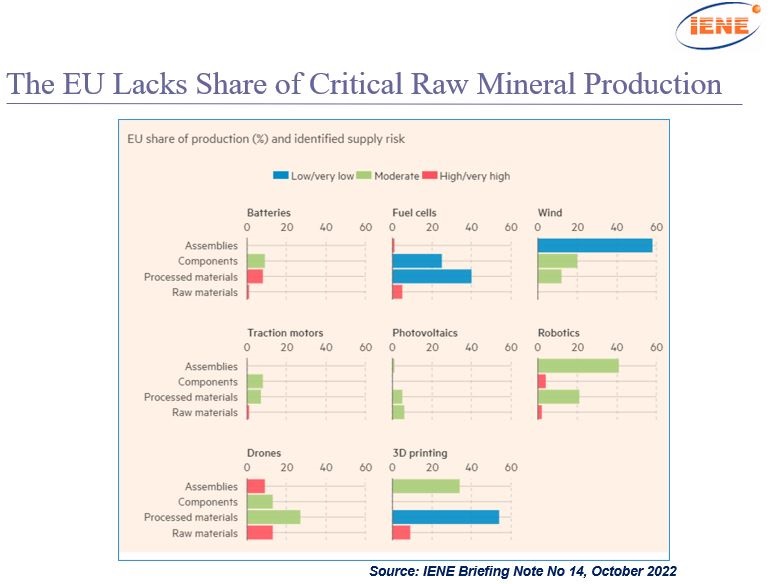
In his intervention Costis Stambolis focused on the negative repercussions to global trade and European clean energy industrial activities in particular from the strict control of CRM’s, and rare earths especially, by China and Chinese industrial entities operating worldwide. In this context he praised EU’s initiative to introduce the the Critical Raw Materials Act in 2024, which despite its serious misgivings - as expertly analysed by Costas Yazitzoglou - it provided a much needed framework for companies to be able to draw plans and mobilise resources. Costis then went on to link the key role and vital importance of CRM’s to the energy security of Europe and how necessary it is for the EU to progressively reduce its dependence on imports.
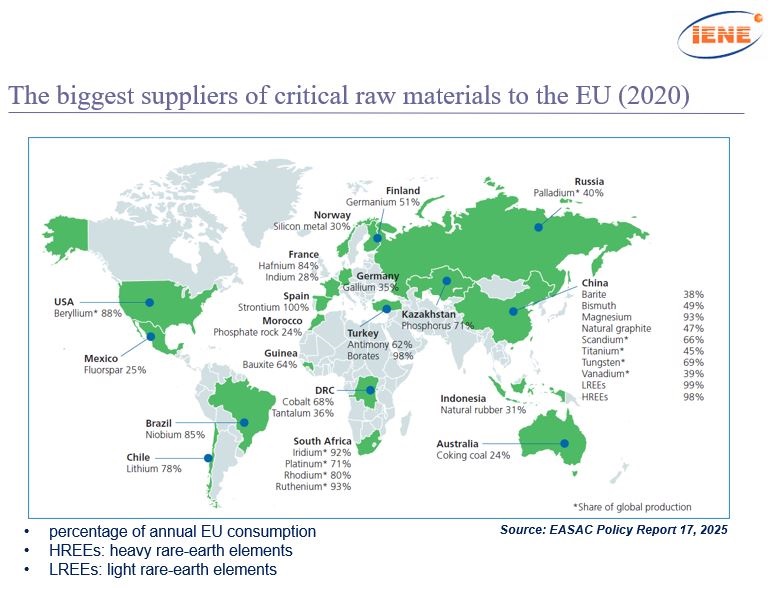
Reducing such dependence by even 10% to 20% over the next 15-20 years, argued Costis, may not bring liberation in a geopolitical context but it will help European companies gain much needed experience and expertise,accelerate efforts to integrate European mined CRM’s in the clean energy systems supply chain and also contribute to much needed investment and job creation. In this context the Chairman of IENE presented in outline form the Institute’s current plans to survey South East Europe’s CRM potential and identify specific investment and development opportunities. This work, said Stambolis, forms part of the Institute’s recently launched “ Resources Mapping in SEE and the East Mediterranean” programme, with a substantial part of it devoted to Critical Raw Materials. First results from this programme are expected to become available by mid 2027.