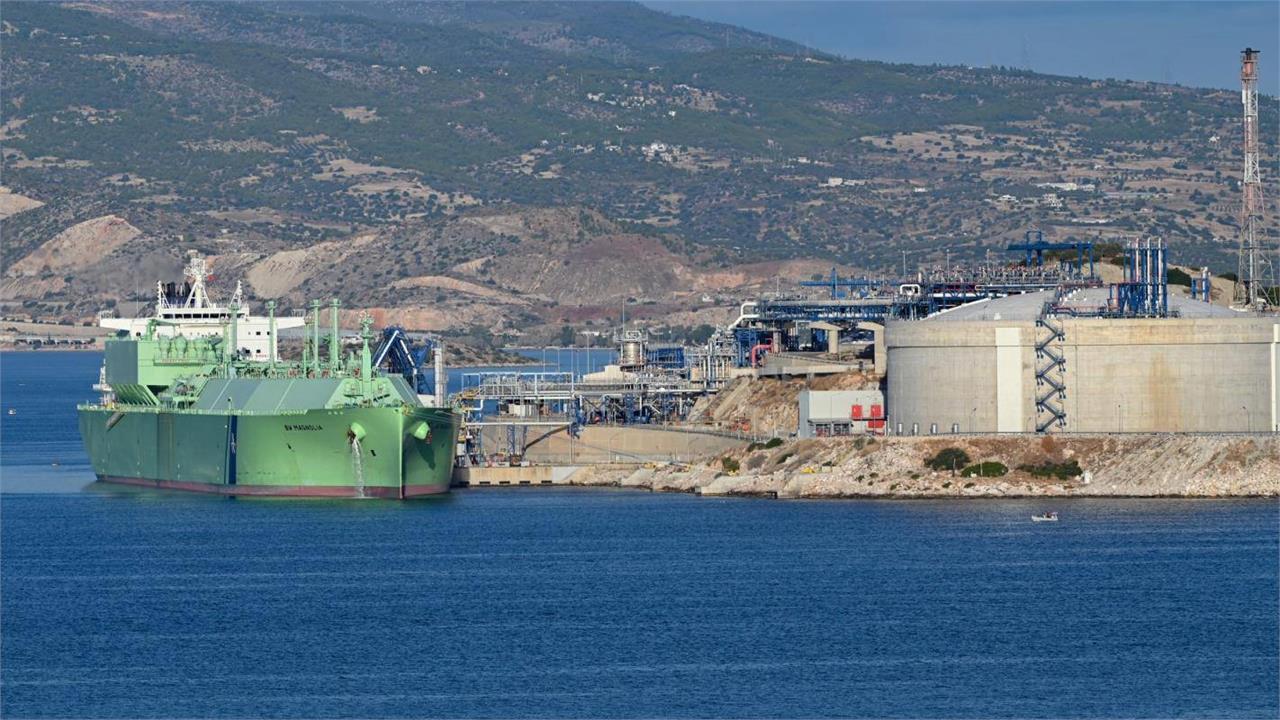
Lately, the United States has emerged as a central partner in shaping SE Europe’s evolving gas landscape, helping the region strengthen its energy security at a time of shifting geopolitical pressures. As European countries work to diversify supplies and reduce vulnerabilities tied to overdependence on a limited number of suppliers, the US has supported the development of key infrastructure—from LNG terminals and FSRUs to gas interconnector pipelines—that expands access to global gas markets. This collaboration provides SE Europe with alternative supply routes and competitive pricing, ultimately making national energy systems more resilient.
Beyond physical infrastructure, the US plays a critical role in bolstering the region’s regulatory and market reforms. Through diplomatic engagement, technical assistance, and cooperation with regional institutions, Washington encourages transparent, liberalized energy markets capable of attracting investment and integrating more deeply into Europe’s broader energy system. These efforts create an environment where gas can move more freely across borders, improving both efficiency and long-term stability, as described in the present Monthly Analysis, which is available here.
Ultimately, Washington’s engagement is motivated by a broader vision of diplomatic engagement, regional stability, economic growth, and transatlantic security. By helping SE Europe build a diversified, resilient, and forward-looking gas sector, the United States strengthens not only the region’s energy future but also the strategic partnerships that underpin European and global security.