Despite the ongoing energy crisis and growing concerns over supply security, the European Union has maintained a cautious stance toward altering its policy on financing oil and natural gas projects. While some argue that increased investment in fossil fuel infrastructure is necessary to ensure short-term energy stability, the EU continues to prioritize its long-term climate commitments, including decarbonization and the transition to renewable energy sources. This policy position reflects the tension between responding to immediate energy demands and upholding strategic environmental goals.
At the heart of this debate lies a broader question about the future of Europe’s energy model. Critics contend that refusing to expand financial support for oil and gas projects may deepen vulnerabilities during periods of crisis, while supporters argue that such investments risk locking the EU into carbon-intensive pathways and undermining the European Green Deal. As energy security, economic pressures, and climate objectives increasingly collide, the EU’s financing policy remains a focal point of political and economic controversy. EU’s attitude of undisputed support to green policies, despite the obvious need to strengthen oil and gas supply - which meet the great bulk of energy demand - point to a difficult to comprehend inconsistency.
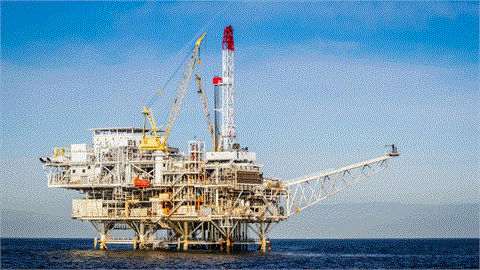
As described in the latest IENE analysis, which is available here, one of the key challenges ahead lies in maintaining the momentum of the green transition while responding to immediate economic and geopolitical pressures. The disruption of global energy flows through the Strait of Hormuz and the sharp increase in fuel prices have exposed Europe’s vulnerability to external energy shocks. Policymakers are under growing pressure from industries and consumers affected by rising costs, leading some governments to support expanded fossil fuel production despite climate commitments. This creates a significant policy dilemma: increasing domestic drilling may improve short-term energy security, but it risks slowing investment in renewable energy and undermining the European Union’s goal of achieving climate neutrality by 2050.
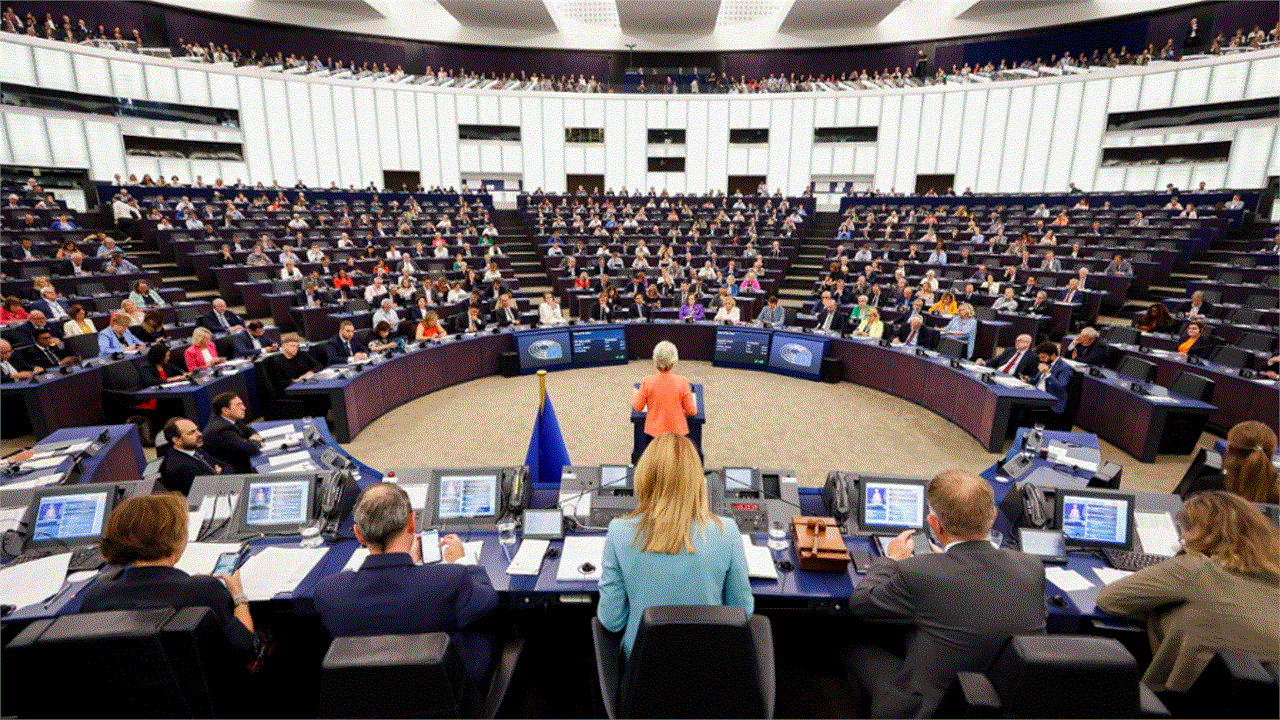
Another major challenge involves political unity and public acceptance of future energy policies. While EU institutions continue to emphasize that renewable energy, electrification, and energy efficiency are the only sustainable long-term solutions, disagreements among member states are becoming more visible. Some countries advocate for accelerated investment in clean technologies, whereas others prioritize immediate energy affordability and industrial competitiveness through expanded fossil fuel use. Whatever the convictions of the different schools of thought and preconceived government positions, the present crisis presents a first-class opportunity for major rethink of pursued energy policies. In this context, an increase of hydrocarbon production within the EU countries should become part of the current energy policy rethink as this is the most cost-effective way to balance increased fuel costs and ensure adequate supplies. After all, satisfying the bulk energy demand through renewables cannot as yet be achieved, and it will take several decades for the full electrification of the energy system.