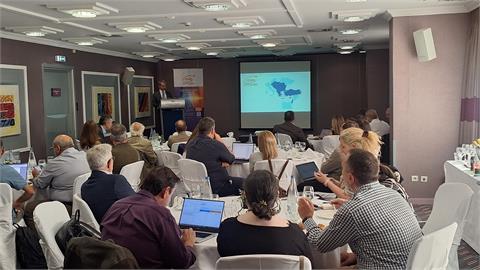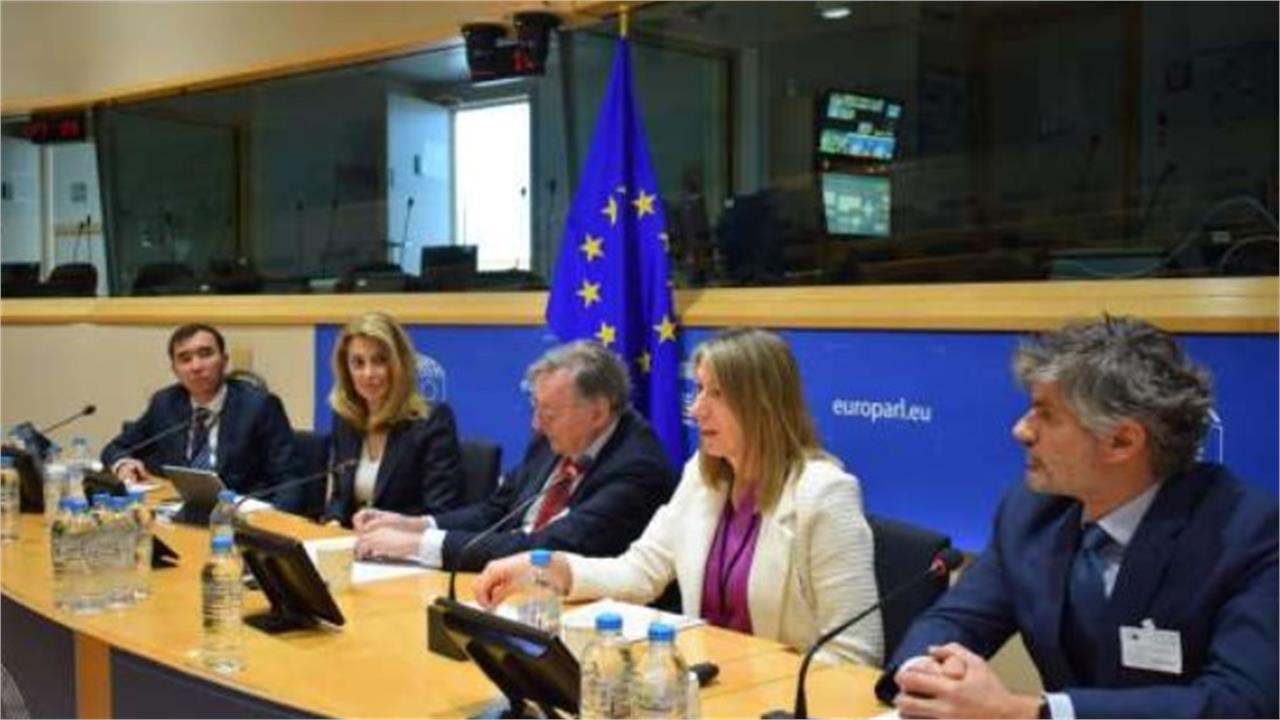
The Roundtable convened by the Institute at the European Parliament in Brussels, brought together policymakers, industry leaders, and experts from several European countries in order to examine the rapidly evolving energy landscape in Europe and Southeast Europe, against the backdrop of heightened geopolitical tensions and market volatility. (See here for details of Energy Security Roundtable)
The discussions underscored the increasing complexity of ensuring secure, affordable, and sustainable energy supply, while navigating the challenges of the energy transition.
The Roundtable served as a timely and necessary forum for confronting uncomfortable truths. The energy transition, while essential, is not occurring in a vacuum. It is unfolding in a world characterised by geopolitical instability, economic uncertainty, and technological disruption. A world where fossil fuels continue to cover almost 86% of all energy needs.
For Southeast Europe, the challenge is particularly acute. The region stands at the intersection of major energy corridors, geopolitical fault lines, and evolving market dynamics. Its success or failure in navigating the energy transition will have implications far beyond its borders.
For the European Union, the stakes are equally high. Energy policy is no longer just about decarbonisation; it is about sovereignty, resilience, energy self-reliance and strategic autonomy.
Key messages include:
- The European and regional energy system is under significant pressure from geopolitical disruptions, highlighting structural vulnerabilities, particularly in Southeast Europe.
- Diversification of energy sources, routes, and technologies, alongside enhanced system resilience, has become an immediate strategic priority.
- The absence of a coherent and pragmatic EU policy on hydrocarbons and nuclear energy risks undermining both energy security and the effectiveness of the transition.
The report underlines the path forward requires not only ambition but also realism. It demands policies that are grounded in the complexities of the energy system, responsive to geopolitical realities, and inclusive of regional specificities. Only through such an approach can Europe and Southeast Europe in particular, achieve a secure, sustainable, and resilient energy future.
The report provides a comprehensive overview of the discussions and outlines the critical challenges and policy priorities shaping the region’s energy future.
Access the full report here