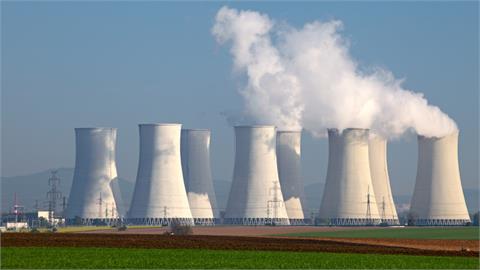
Nuclear energy is gaining renewed attention across SE Europe as countries seek to strengthen energy security, diversify electricity supplies and advance long-term decarbonisation objectives. Geopolitical uncertainty, exposure to volatile energy prices, ageing generation assets and the need to reduce greenhouse gas emissions have encouraged governments to reconsider the role of nuclear power in their future energy systems. While some countries in the region have decades of experience operating nuclear power plants, others are exploring the possibility of introducing nuclear generation for the first time. These developments are taking place alongside the expansion of renewable energy, the modernisation of electricity networks and growing interest in regional energy cooperation. Nuclear power is therefore re-emerging not simply as a technology choice, but as a strategic question involving industrial development, investment, energy-system planning and long-term national security.
Nevertheless, a renewed interest in nuclear energy should not be confused with the certainty that new projects will be implemented, as described in the latest IENE analysis, which is available here. Nuclear power plants require substantial capital investment, stable policy frameworks, experienced regulators, skilled personnel and long-term arrangements for radioactive waste and spent fuel. Decisions must also account for construction risks, financing costs, public acceptance and the availability of alternative low-carbon technologies. In SE Europe, these considerations are shaped by differing national circumstances, European Union energy and safety requirements, relationships with international technology suppliers and the potential for cooperation between neighbouring countries. This analysis examines the principal developments in nuclear energy across the region, focusing on national strategies, proposed projects, emerging technologies, international partnerships and financing challenges. It also considers the potential contribution of nuclear power to regional electricity security and decarbonisation, while identifying the institutional, economic and geopolitical factors that will determine whether current ambitions translate into operational capacity.
Regional cooperation could help improve outcomes by supporting technical expertise, strengthening regulatory knowledge, diversifying supply chains and coordinating electricity-system planning. Yet cooperation should complement, rather than replace, national accountability for safety, waste management and financial commitments. A balanced approach would distinguish projects according to their actual stage of development, test their economic viability against alternative scenarios and ensure that the benefits and costs are transparently assessed.
SE Europe’s nuclear future is therefore likely to develop unevenly, reflecting differences in national priorities, existing infrastructure, institutional capacity and access to capital. Nuclear power may make a significant contribution to some national energy strategies, but it is not a universal solution. The most robust pathway will be one in which nuclear investment is considered within an integrated, technology-neutral energy strategy that prioritises security of supply, decarbonisation, affordability and long-term public confidence.