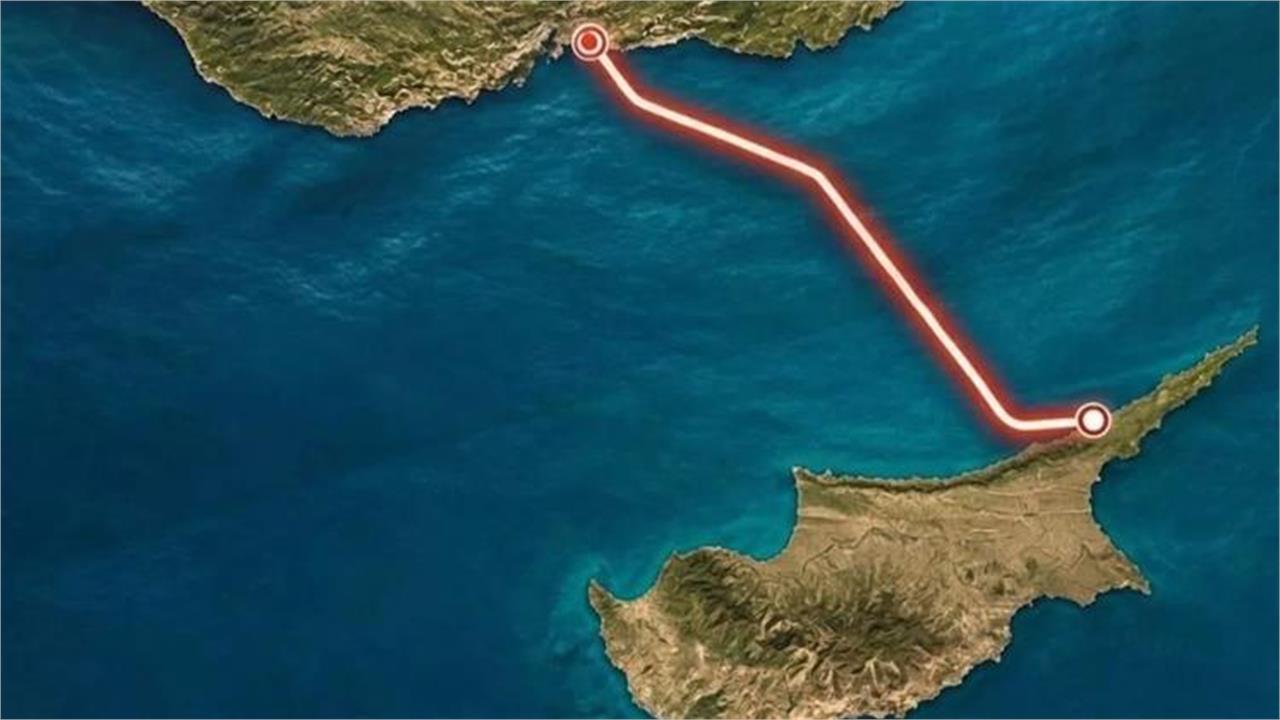
Ankara is pressing ahead with plans to construct a bidirectional natural gas pipeline between Turkey and the occupied areas of Cyprus, alongside a parallel electrical interconnection project. The two projects carry strategic and geopolitical significance, aiming to elevate Turkey’s regional standing and consolidate its presence in the occupied north.
A high-level meeting took place in Ankara recently to review the next steps for the natural gas pipeline. Meanwhile, the electricity interconnection plan faces hurdles. Nicosia has raised the matter with the European Union, which has since intervened with Turkey. If executed, these designs will alter the regional dynamics, serving Ankara’s objective to establish Turkey as a regional energy hub by utilizing Cyprus.
Pipeline specifications and timeline
Technical studies for the natural gas pipeline are complete. The project is expected to be formalized during the second ten days of June, when Turkish Vice President Cevdet Y?lmaz visits the occupied areas to sign a memorandum with the secessionist entity.
The project features a 97-kilometre dual subsea pipeline with a diameter of approximately 55 centimetres. According to Unal Ustel, the so-called prime minister of the secessionist entity, construction is scheduled to begin in the third quarter of 2026 and will take two years to complete.
Estimated to cost around 700 million US dollars, the project includes building a new gas-fired generation unit at the Teknecik power station near Kyrenia. The facility will also feature energy storage capabilities, intended to supply power to tourist developments when needed.
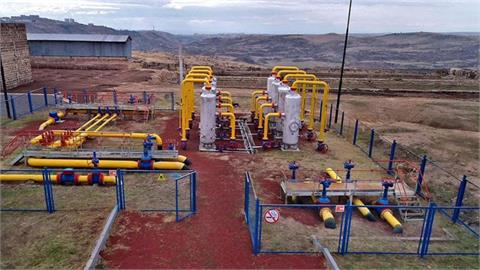
The natural gas will be exported from Anamur in Turkey and transported subsea to Kyrenia, with stations built in both regions. However, the plan raises questions regarding where the gas flowing back from the occupied areas to Turkey will originate, given Ankara’s ongoing defiance of the Republic of Cyprus’s sovereign rights and its past illegal seismic surveys in the Cypriot Exclusive Economic Zone (EEZ).
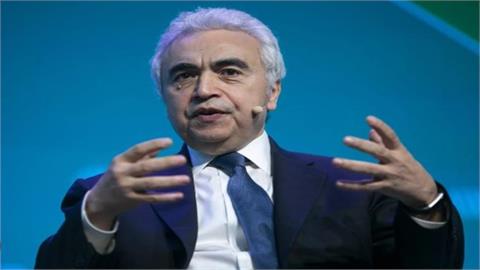
Turkish Minister of Energy and Natural Resources Alparslan Bayraktar stated in a television broadcast that the target for full project implementation is 2028.
“Our goal is to complete the engineering studies within this year and conduct the seabed surveys. We want to implement this project within 24 months from the completion of the study and design process, meaning in 2028,” Bayraktar said.
Bayraktar added that the pipeline aims not only to supply the occupied areas but also to transport potential Eastern Mediterranean gas discoveries to Europe via Turkey. “In the future, it will be possible to transport Mediterranean gas to Turkey and Europe through the ‘TRNC’ with a reverse flow system,” he stated.
This aligns with Turkey’s broader narrative that regional natural wealth belongs to “two states” acting as co-decision-makers. While the Republic of Cyprus has legally licensed international firms to operate in its EEZ, the breakaway regime has illegally “assigned” maritime blocks to the Turkish state oil company TPAO. Turkish Cypriot politician Tufan Erhurman recently reiterated at an Istanbul university that “the transport of natural gas cannot take place by excluding Turkey.”
Contested electrical connection and water precedent
Ankara’s older plan for a bidirectional electricity cable to the occupied areas remains on the table, though Turkish sources admit EU objections following Nicosia’s intervention have stalled its progress. Ankara is currently discussing the issue with the EU. The electricity project, previously frozen due to financial difficulties, is being revived as the occupied areas face persistent grid instability and power shortages.
The preliminary agreement involves laying a subsea cable alongside infrastructure upgrades and renewable energy cooperation. The occupied areas require additional power load, partly driven by the distribution network of the water pipeline from Turkey.
This follows the precedent set by the subsea water pipeline, dubbed the “project of the century.” Discussed since the era of Demirel and Denktas, it was realized in 2015 under Erdogan and Ak?nc?. The foundation stone was laid in Mersin in 2011, and the Panagra dam in the occupied north was inaugurated in October 2015. Despite initial operational problems and massive financial overruns covered by Ankara, the pipeline provides Turkey with significant political and economic leverage, with water management privatized under terms dictated by the Erdogan regime.
Countering Greek and Cypriot energy hubs
Turkey’s energy projects are designed to disrupt the strategic planning of Greece and Cyprus. Ankara consistently rejects any regional cooperation that does not conform to its own terms.
Consequently, Turkey is attempting to halt projects that would elevate Greece and Cyprus into regional energy hubs. These include the Crete-Cyprus electricity interconnection, which aims to later connect Israel, and the US-supported India-Middle East-Europe Economic Corridor (IMEC). Analysts note that IMEC’s backing by major international powers makes it significantly harder for Turkey to obstruct.
Diplomatic movements on the Cyprus problem
The return of the UN Secretary-General’s Personal Envoy, Maria Angela Holguin, comes as efforts to resume frozen talks get underway. Progress had slowed because Holguin, in agreement with the Turkish side, cited the European Council presidency in the first half of 2026, the legislative elections, and the selection of Erhurman to leadership as reasons for the delay.
Holguin operates under instructions from Antonio Guterres to explore the possibility of a new informal five-power conference before the end of the Secretary-General’s term this year. In the interim, negotiators have maintained contact to implement measures agreed by President Christodoulides and Turkish Cypriot leader Tufan Erhurman, including a civil society advisory body, a foot-and-mouth disease coordination committee, and halloumi trade regulations.
While Holguin has pushed for the opening of at least one new crossing point to show progress, the Turkish side continues to present obstacles. Guterres aims to use an informal five-power meeting to establish a negotiating framework evolving from the Cran Montana proposals, a plan he discussed during a visit to Turkey despite reservations expressed by Erdogan and Fidan.
Diplomatic sources note that while Holguin’s arrival is a step toward a five-power meeting, it must be viewed against Turkey’s broader regional behavior. Ankara uses military posturing and deliberate tension to assert its presence, viewing Cyprus not as an isolated priority, but as a single piece in its wider geopolitical strategy involving Syria, Libya, and Iran.
(by Costas Venizelos, en.philenews.com, May 31, 2026)