by Irina Slav
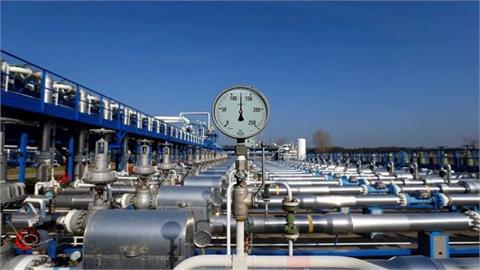
With peak summer temperatures in Europe, it is easy to forget that winter is approaching and Europe’s natural gas inventories are sitting at levels much lower than the seasonal average. In fact, inventories are at the lowest since 2011, yet nobody is in a rush to replenish them.
The reason is, of course, prices. While far below peaks reached in 2022, at over 300 euro per MWh, Europe’s benchmark gas price is twice as high, at over 50 euro per MWh, than it was before the United States and Israel launched the strikes on Iran that set off the latest Middle Eastern war.
It is understandable that gas companies would prefer to buy gas cheaper and then make a profit on it during peak demand season. However, with the future of energy flows out of the Middle East as murky as it was three months ago, if not murkier, this may be a significant risk—because if flows don’t resume, gas prices will move even higher.
“If there is a very cold winter or there is an extended period of cold weather, then you might find that you have to do some sort of demand mitigation, higher prices, or else European markets would run out of gas,” one Wood Mackenzie senior research analyst told Reuters recently.
It would be safe to say that “an extended period of cold weather” is the very definition of winter in Europe, suggesting that a gas squeeze is on the cards unless that storage is refilled. At the moment, storage is 59.12% full, which is below the five-year average for August, and 12% lower than where storage levels were this time last year.
One could perhaps argue that this is not so bad, but the lower the storage level at the start of heating season, the lower that level would be at the end of that season, meaning there will be even stronger storage refill demand next year, when, incidentally, the latest EU sanctions against Russia would come into effect, removing a big chunk of LNG supply that European countries have been buying since the start of this year. Indeed, the EU has been Russia’s biggest LNG buyer this year, taking in record volumes.
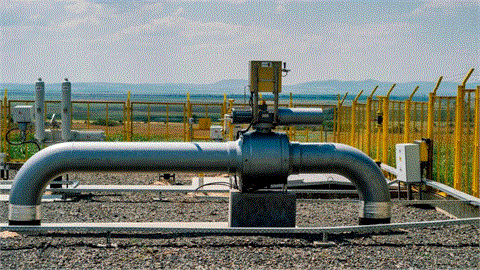
Yet this is not the whole story, because the EU has also been importing Russian pipeline gas via Turkey. Indeed, last year, these flows accounted for 11% of the EU’s total pipeline imports, and over the first quarter of this year, they accounted for 12%.
With that gas gone, the European Union remains almost entirely dependent on two sources of natural gas: Norway and the United States. Norway supplies 54% of the EU’s pipeline gas and that gas is secure. Yet with U.S. LNG traded on the global spot market, and with EU buyers reluctant to close long-term supply contracts due to expectations of declining demand, this leaves gas buyers – and consumers – vulnerable to LNG price spikes that will inevitably prove painful, unless a miracle happens and the war in the Middle East ends tomorrow.
Even if it does end tomorrow, however, QatarEnergy has said it would take years to restore full export volumes following damage from Iranian strikes on its LNG infrastructure. A peace announcement would certainly lead to lower gas prices, though, possibly enticing European gas buyers to start buying. But this is a best-case scenario and relying on best-case scenarios and ignoring all others is the riskiest gamble of all.
A more realistic scenario involves compromised global gas supply security extending into next year and putting additional pressure on European leaders who are already struggling to support industries that have been suffering the effects of compromised gas supply security for four years already.
I’ve argued before that just because Europe avoided a massive gas crisis in 2022 it doesn’t mean it will keep avoiding that crisis, and there is a very simple reason for that. Since 2022, the EU has been paying a lot more for gas because of the spike in demand for U.S. LNG. This has shrunk financial buffers, bringing the crisis closer in the form of either a supply crunch or demand destruction by means of exorbitant prices.
Neither option is something to look forward to, even though some decarbonization advocates argue that gas demand destruction is essential for the success of the energy transition. Again, there is a very simple reason for that, and that reason is energy supply reliability, which gas guarantees and wind and solar do not. Once again, the European Union is in a tight energy spot, and if one adds the diesel fuel crunch and consequent price spike, the spot becomes even tighter. It is time for European energy traders to start buying gas, despite elevated prices, because these prices are very unlikely to sink back to pre-war levels before heating season starts and demand for gas soars.