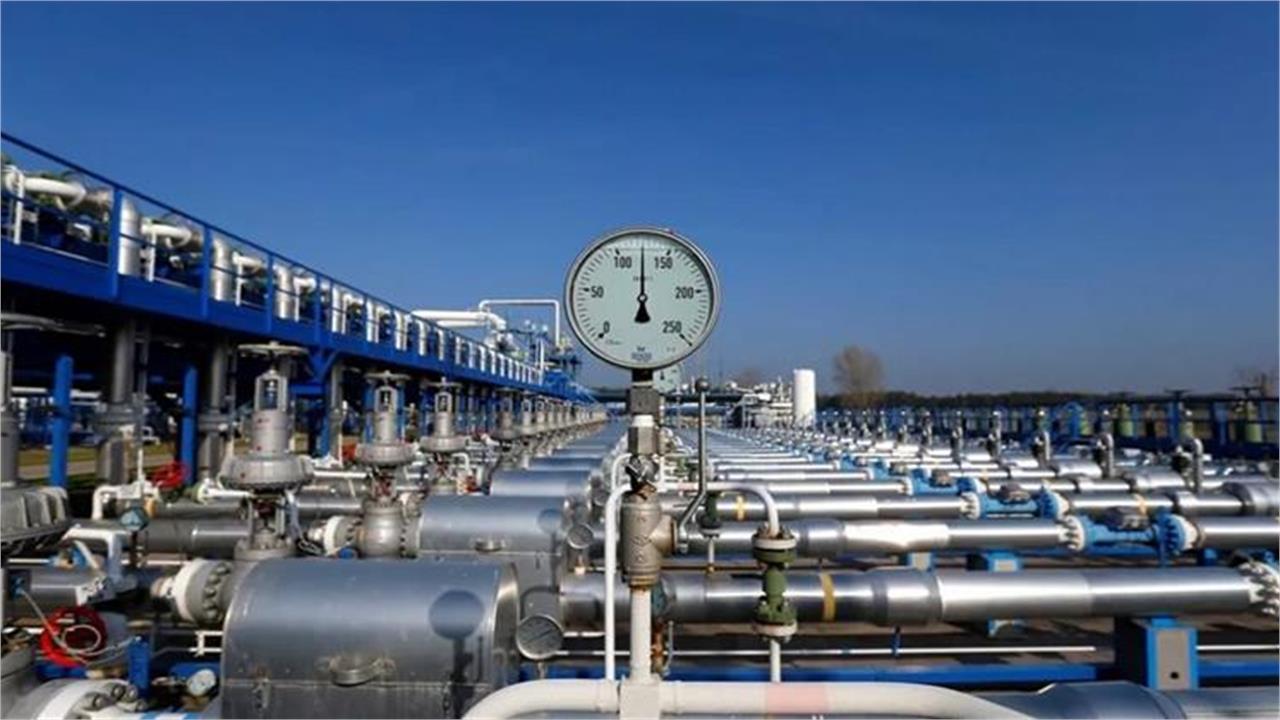
Global gas markets are increasingly pricing in tight supplies ?well beyond winter as the Iran war disrupts Gulf liquefied natural gas exports and complicates Europe's efforts to rebuild gas inventories, a top industry executive said.
The outlook comes as Europe competes with Asia for LNG cargoes while ?attempting to refill storage sites ahead of winter, amid continued uncertainty over the conflict's ?impact on exports from Qatar, one of the world's largest LNG suppliers.
Forward gas ?prices suggest traders expect elevated prices and supply risks to persist through next summer before ?easing, according to Menelaos Ydreos, secretary general of the International Gas Union (IGU), whose members represent more ?than 90% of the global gas market.
"The market right now is saying that they see the conflict getting prolonged," Ydreos told Reuters.
Current futures curves indicate markets expect tight conditions to continue into next year, a marked shift ?from a few months ago when traders expected prices to ease after winter, he said.
"Europe ?is starting to outbid Asia because they need to refill storage levels," Ydreos said, adding that the current ?crisis differs ?from the energy shock that followed Russia's invasion of Ukraine in 2022 because it is affecting multiple regions at the same time.
"There is some short-term demand destruction. The question is whether it rebounds after everything settles or whether there are some longer-term implications around policy," Ydreos said.
Additional uncertainty ?stems from Europe's planned ?ban on Russian ?LNG imports from January.
Russian cargoes currently heading to Europe would likely find alternative buyers, potentially at lower prices. But any disruption to those flows ?would add further strain to a market already grappling with concerns over ?Middle East ?supply, Ydreos said.
European policymakers are also wrestling with how to balance climate goals with energy security and affordability, he said, adding that the European Commission should consider easing some implementation requirements while keeping emissions-reduction ?targets ?intact.
"We're for regulations, but they have to be achievable, practical ?and incentivise compliance," he said. "If regulations go far beyond that and make it extremely difficult for the industry to comply, ?they'll look for other regions to send their product."
(Reuters, September 23, 2026)