Croatia’s renewable energy sources supplied more than 62% of the country’s available electricity during the first quarter of 2026, according to the latest analysis from Renewable Energy Sources of Croatia (OIEH).
The report, which compares electricity consumption, production and energy flows with the same period last year, highlights growing demand for electricity, exceptionally favourable hydrological conditions and a temporary return to net electricity exports.
Total electricity consumption reached 5,096 GWh in the first three months of 2026, an increase of 1.98% compared with the same period in 2025. When adjusted for the impact of a warmer-than-average winter, consumption growth was significantly higher at 4.39%, indicating continued economic activity and rising demand for electricity.
Renewable energy sources accounted for 62.2% of Croatia’s total available electricity. Hydropower remained the largest source, generating 2,038 GWh, up 22.3% year-on-year thanks to above-average water availability. Hydroelectric plants represented 39% of all available electricity during the period.
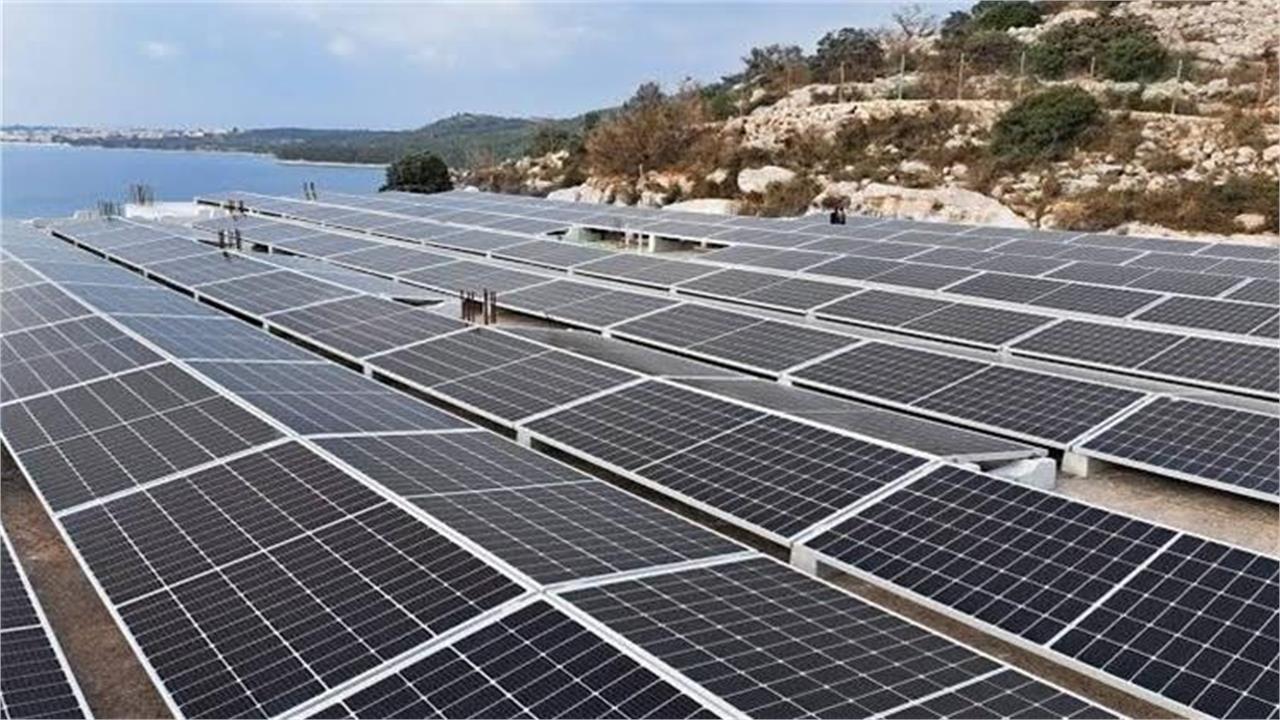
Solar power continued its rapid expansion, with production rising by 50.7% to 214 GWh. The increase was driven by the addition of new capacity, with 456 MW of new solar installations connected to the grid between March 2025 and March 2026.
Wind power, however, recorded a decline. Production fell by 12.8% to 771 GWh due to weaker wind conditions, partially offsetting gains from solar generation. Combined production from wind, solar, biomass and biogas plants totalled 1,213 GWh.
Fossil fuel power plants generated 1,180 GWh of electricity, a 26.9% increase compared with the first quarter of last year, while Croatia’s 50% share of electricity from the Krsko Nuclear Power Plant remained unchanged at 758 GWh.
Total available electricity reached 5,227 GWh, up 4% year-on-year. This exceeded domestic demand, allowing Croatia to export a surplus of 131 GWh and briefly regain net exporter status.
However, the report notes that the country returned to net electricity imports in March, with the trend continuing through April and May.
The first quarter of 2026 also marked the growing integration of battery energy storage into Croatia’s electricity system. Battery storage facilities absorbed 1,430 MWh from the grid and returned 858 MWh during the period.
OIEH said the results underline the increasingly important role of renewable energy in Croatia’s electricity system, while also highlighting the need for further investment in new generation capacity and energy storage to strengthen long-term energy independence and system resilience.
(by croatiaweek, June 19, 2026)