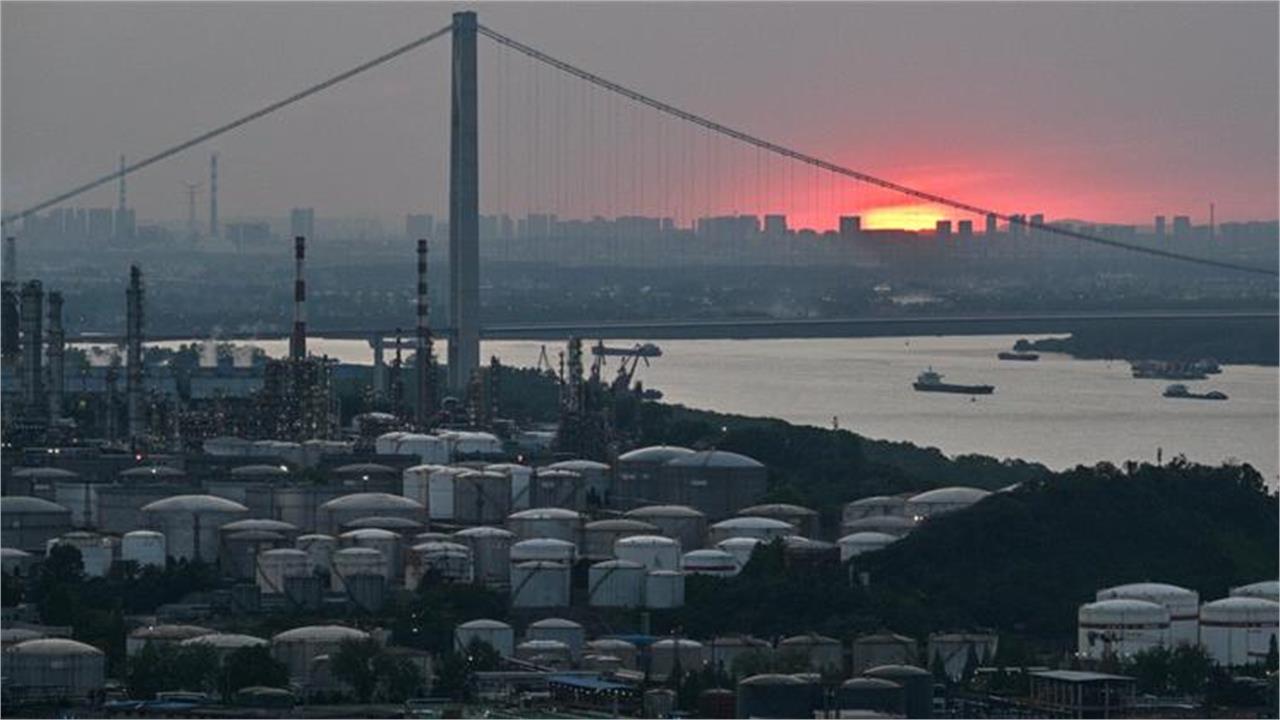
The US-Iran deal is setting the stage for a recovery in Chinese oil demand that risks driving up global inflation pressures, according to Bloomberg Economics, assuming the agreement holds and eventually restores energy flows to the world’s second-biggest economy.
China, the largest buyer of Iranian oil, has consistently called for maintaining a ceasefire and reopening the Strait of Hormuz, with both Iran and the US blocking traffic through the crucial waterway for global energy flows.
Beijing welcomes the US-Iran deal and will “join the international community in playing an active role in restoring peace and tranquility to the Middle East and Gulf region at an early date,” Chinese Foreign Ministry spokesman Lin Jian said during a regular press briefing on Monday.
“China will contribute our strength and shoulder our responsibility as a major country for the resolving of the fighting,” he added.
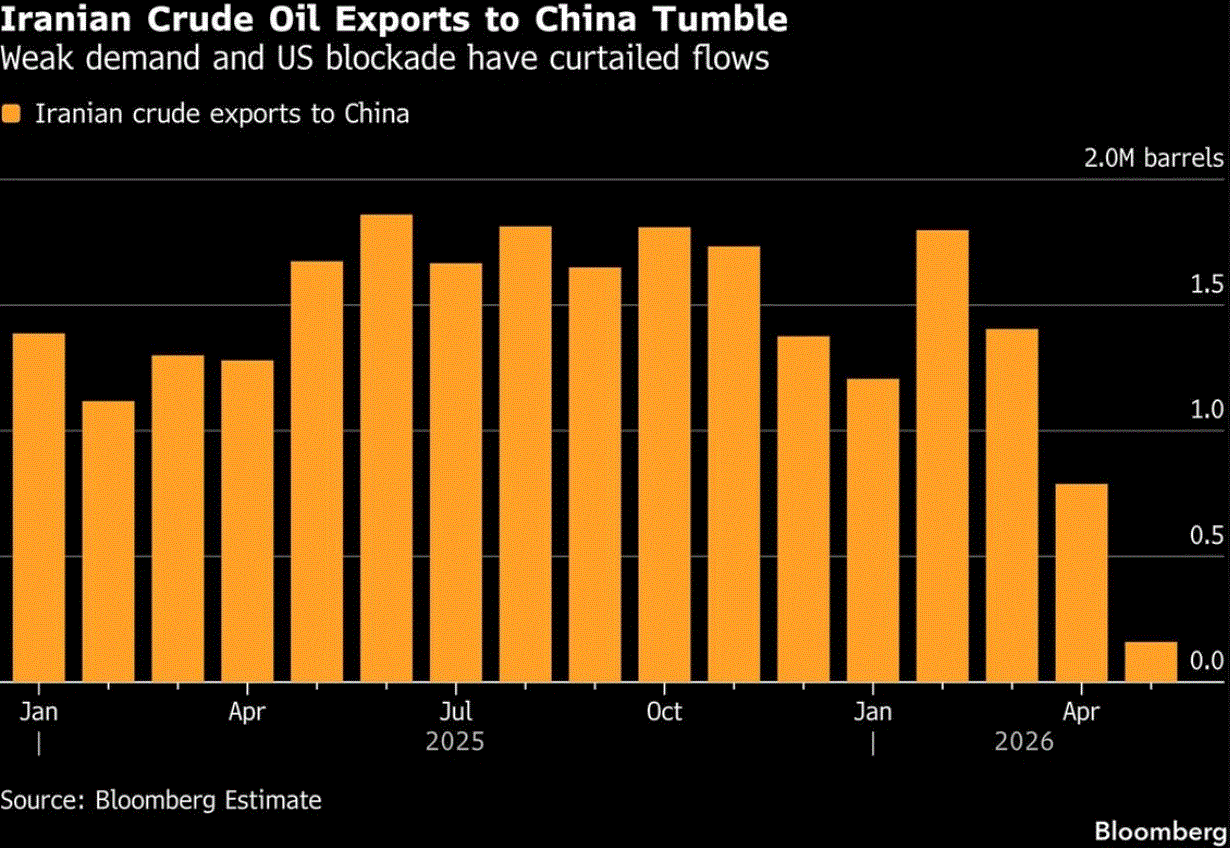
Whether the US-Iran deal holds will have widespread implications for China’s economy, which has depended on exports to drive growth. A prolonged conflict risked denting demand abroad as higher oil prices pushed up the costs of inputs while shipping charges rose, making goods more expensive.
US President Donald Trump said during his visit to Beijing last month that he and Chinese leader Xi Jinping shared common goals for resolving the conflict — namely that Hormuz had to be reopened and Iran shouldn’t possess a nuclear weapon. China, like the US, was a signatory to the 2015 accord on curtailing Iran’s atomic program, which Trump abandoned during his first term.
China has backed Pakistan as the main go-between for the US and Iran. Beijing may play a quiet role in maintaining any truce between the two countries as its economic ties to Iran puts it in a position to influence Middle East peace talks.
Skepticism still persists on whether the US and Iran have reached a breakthrough in negotiations. Robert Pape, professor of political Science at the University of Chicago, said what’s been achieved is “not quite a memorandum of understanding” between the two sides.
“We have more a memorandum of confusion,” Pape told Bloomberg Television. “Do they actually agree on the terms, or are they saying they want between now and Friday to straighten it out?”
(Bloomberg News, June 15, 2026)