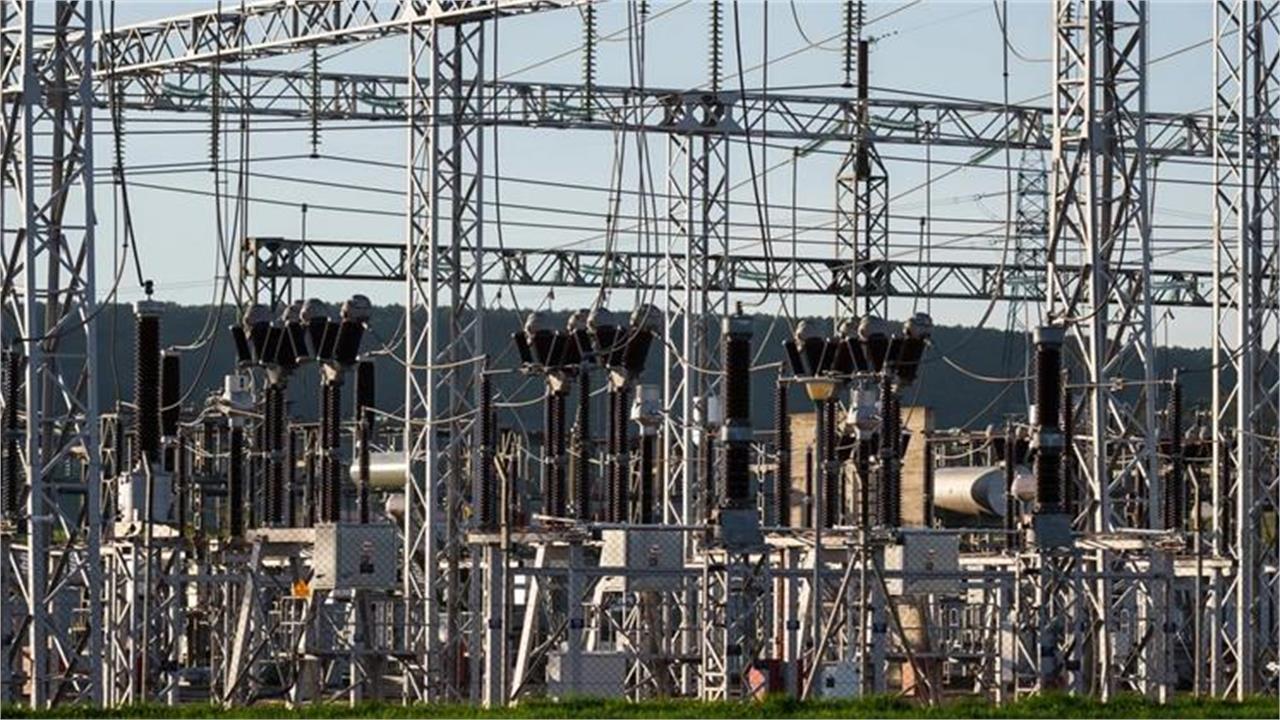
The European Union is set to accelerate approvals for energy grid projects and develop EU-wide plans for cross-border electricity infrastructure to curb high energy prices that industries have warned make Europe uncompetitive.
Industrial energy prices in Europe are more than double those in the United States and China, which energy-intensive manufacturers say deters investment in Europe.
The proposals published by the European Commission on Wednesday lay out plans to cut deadlines on permits for grid projects to two years to speed modernisation of power networks, confirming draft plans previously reported by Reuters. Under the current system, it can take as long as 10 years to receive grid project permits.
If authorities fail to respond within the new deadline, permits would be approved automatically.
'FASTER ACTION NEEDED'
Hitachi Energy, a Swiss-based supplier of power technology including grid components, welcomed the proposals but said faster action was needed to address long project wait times and provide confidence in stable, reliable power supply to energy-intensive industries.
"Europe has a chance, but it needs to act fast ... because once those industries have positioned themselves in other regions, then it's too late," the company's chief technology officer Gerhard Salge told Reuters.
The plans to develop cross-border electricity infrastructure would allow the EU to trigger a process to request project proposals if none exist. A severe blackout in Iberia this year highlighted a lack of interconnectors between countries to allow power to flow to areas of greatest need.
"Imagine trying to piece together a puzzle without looking at the box with the picture. Well, to some extent, that is what we're actually doing right now with Europe's energy infrastructure," EU energy commissioner Dan Jorgensen said of the current fragmented system of national rather than EU-wide planning.
EU countries and lawmakers will now negotiate and approve the proposals.
Years of lagging investments have resulted in ageing grids that cannot absorb Europe's growing supplies of fluctuating renewable power. Wind and solar generators are often switched off to avoid overloading networks, wasting low-cost renewable electricity and boosting costs.
HEAVY INVESTMENT REQUIRED
The Commission estimates that 1.2 trillion euros ($1.4 trillion) in grid investments are needed by 2040. The EU has earmarked 30 billion euros from its 2028-2034 budget for cross-border energy projects.
Campaigners criticised part of the EU plan to scrap requirements for grid projects to undergo environmental assessments, aiming to expedite construction.
The proposals also included moves to address security concerns that have been heightened by recent instances of Russian-linked ships damaging European energy infrastructure.
They include a requirement for EU-funded cross-border energy projects to be assessed for physical and cybersecurity risks. Projects would also be screened for ownership or involvement by foreign companies to flag potential security concerns.
(Reuters, December 10, 2025)