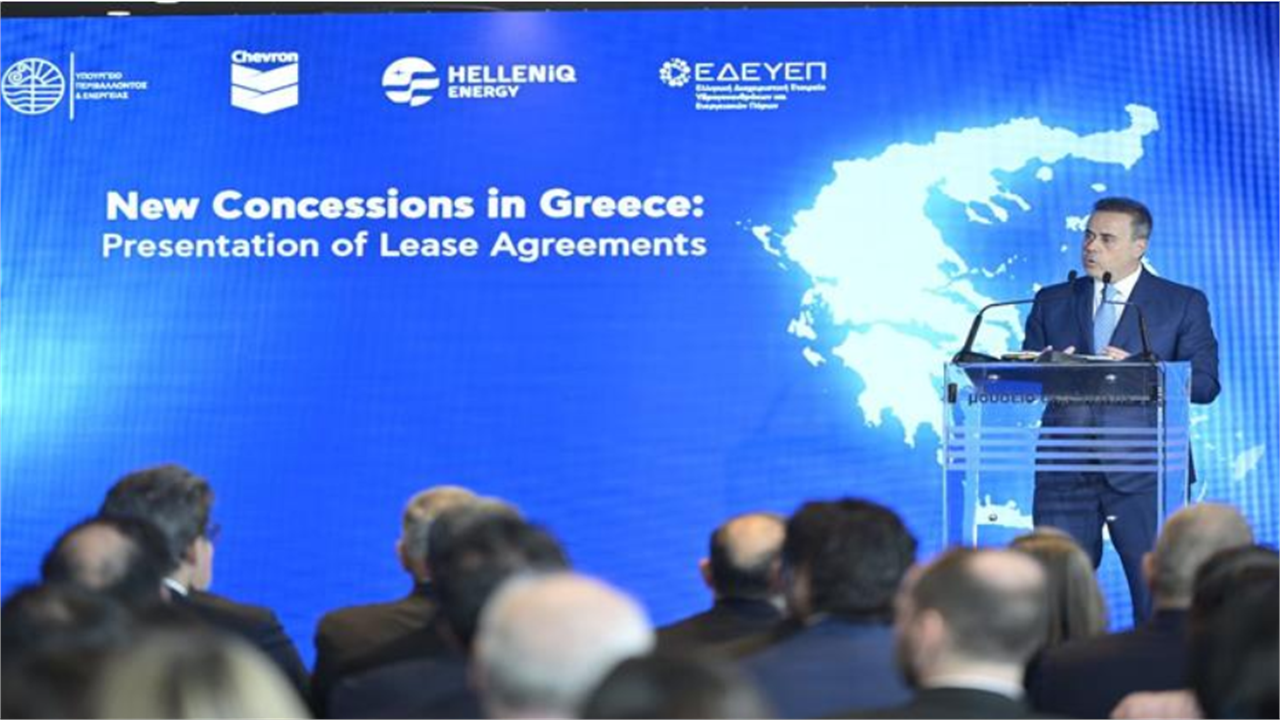
A consortium led by U.S. oil major Chevron signed exclusive lease agreements on Monday to look for natural gas off southern Greece, expanding the United States' presence in the eastern Mediterranean.
The deal doubles the amount of Greek maritime acreage available for exploration and is the second in months involving a U.S. energy major as the European Union seeks to phase out supplies from Russia and the U.S. seeks to replace them.
Exxon Mobil in November joined Energean and Helleniq to search for gas in another offshore block in Western Greece.
Monday's agreement allows Chevron - which also plans to expand production in Israel - to lead the search for gas in four deep-sea blocks, south of the Peloponnese peninsula and the island of Crete, stretching across 47,000 square kilometers (18,147 square miles).
It follows Chevron and Helleniq Energy, Greece's biggest oil refiner, last year winning an international tender.
GREECE SEEKS TO BE A GATEWAY FOR US GAS
Greece, which has no gas production and relies on gas imports for power generation and domestic consumption, has revived its quest for gas exploration after a 2022 energy price shock driven by Russia's invasion of Ukraine.
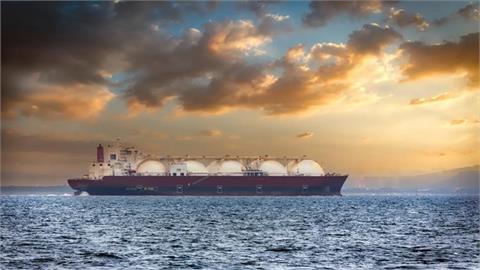
It also aims to be a gateway for U.S. liquefied natural gas transported via the Vertical Gas Corridor, a route that carries gas from Greece to central Europe and Ukraine.
U.S Ambassador to Greece Kimberly Guilfoyle said U.S. LNG flowing through Greece had strengthened the alliance between the United States and Europe.
"It redraws, quite simply, the energy map of Europe, creating a durable alternative to Russian gas not just for one season but for generations to come," Guilfoyle said during a presentation of the contracts in Athens.
The European Union is building renewables capacity to cut greenhouse emissions, but has acknowledged the need for natural gas as a transition fuel to help stabilise the grid when intermittent wind and solar energy are not available.
The Greek parliament will need to approve the lease contracts before the Chevron-led consortium can start seismic research later this year. Greece has said the consortium has up to five years to locate potential recoverable deposits and any test drilling would not take place before 2030-2032.
Exxon Mobil and Helleniq also hold a licence to look for hydrocarbons in another two deep-sea blocks south of Crete and are evaluating seismic data before moving ahead with any exploratory drilling there.
(Reuters, February 16, 2026)